Full Structural Surveys: Essential Insights for Homebuyers
Why a Full Structural Survey Often Pays Off
Picking the right survey before you buy can change the outcome of the purchase, your bargaining position and the cost of ownership for years to come. A RICS Level 2 Homebuyer Report gives a concise, visual snapshot of obvious defects and overall condition. A RICS Level 3 Building (full structural) Survey digs deeper — identifying concealed problems, assessing structural integrity and setting out realistic repair options. This guide explains what each survey covers, when each is appropriate, how the reports differ in structure and how inspection depth translates into negotiation leverage and clearer budgets. You’ll see exactly what a Level 2 inspects, what extra diagnosis and repair guidance a Level 3 adds, and straightforward rules to help you choose. Practical comparisons, typical fee ranges and the value of local expertise are included so you can decide with confidence. We also describe how a local RICS‑regulated surveyor can add particular value when assessing older or unusual properties, then answer the common questions buyers ask and suggest sensible next steps.
What Is a Homebuyer Survey and When Is It Right?
The RICS Level 2 Homebuyer Report is a short, visual inspection that highlights major defects, safety concerns and the property’s marketable condition. It uses a standard traffic‑light format to make the key issues easy to spot and prioritise. The report points out urgent problems, items likely to affect value and areas that need specialist follow‑up, offering clear, practical advice for straightforward properties in reasonable condition. Because the inspection is non‑invasive and visual, hidden faults — for example concealed rot or sub‑surface structural issues — can be missed. A Level 2 is not a substitute for a more detailed diagnostic survey when there is doubt. The report’s summary typically states condition ratings and advises whether further investigation or quotes are advisable, which leads naturally into a closer look at what is checked in a Level 2.
What Does a RICS Level 2 Homebuyer Survey Inspect?
A Level 2 report covers visible and accessible parts of the building and flags urgent defects with a simple condition rating. The surveyor visually reviews roof coverings, external walls, windows, services and internal rooms without cutting in or opening up fabric. Major defects and likely consequences are recorded, with recommended next steps ranked by urgency. Where concealed problems are suspected the report usually recommends specialist checks rather than attempting a definitive diagnosis — for example, noting uneven floorboards and advising a timber specialist if movement or rot is suspected. That limitation is exactly when a buyer should consider a more detailed survey.
Which Properties Suit a Homebuyer Report?
Level 2 suits modern, conventionally built homes in generally good decorative and structural order where no historic or obvious issues exist. Typical examples are recent semis, well‑maintained terraces and houses built with standard materials where the buyer wants a cost‑effective overview rather than deep diagnosis. Signs that a Level 2 is likely sufficient include regular maintenance, no visible structural movement and no complex alterations. Visible cracking, major past works or non‑traditional construction are common triggers to upgrade to a Level 3. Knowing these triggers helps buyers avoid the risk of under‑inspecting.
What Is a Full Structural Survey and When to Choose One
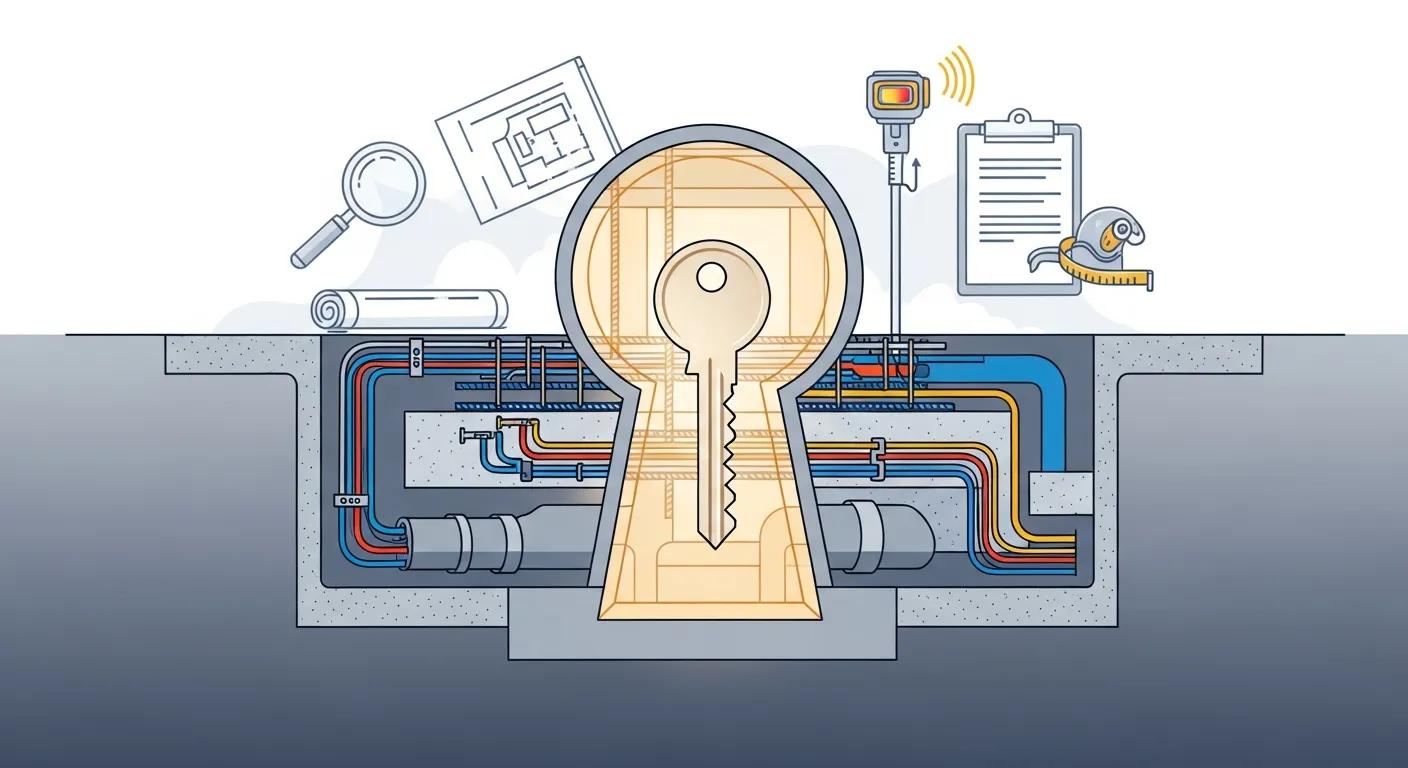
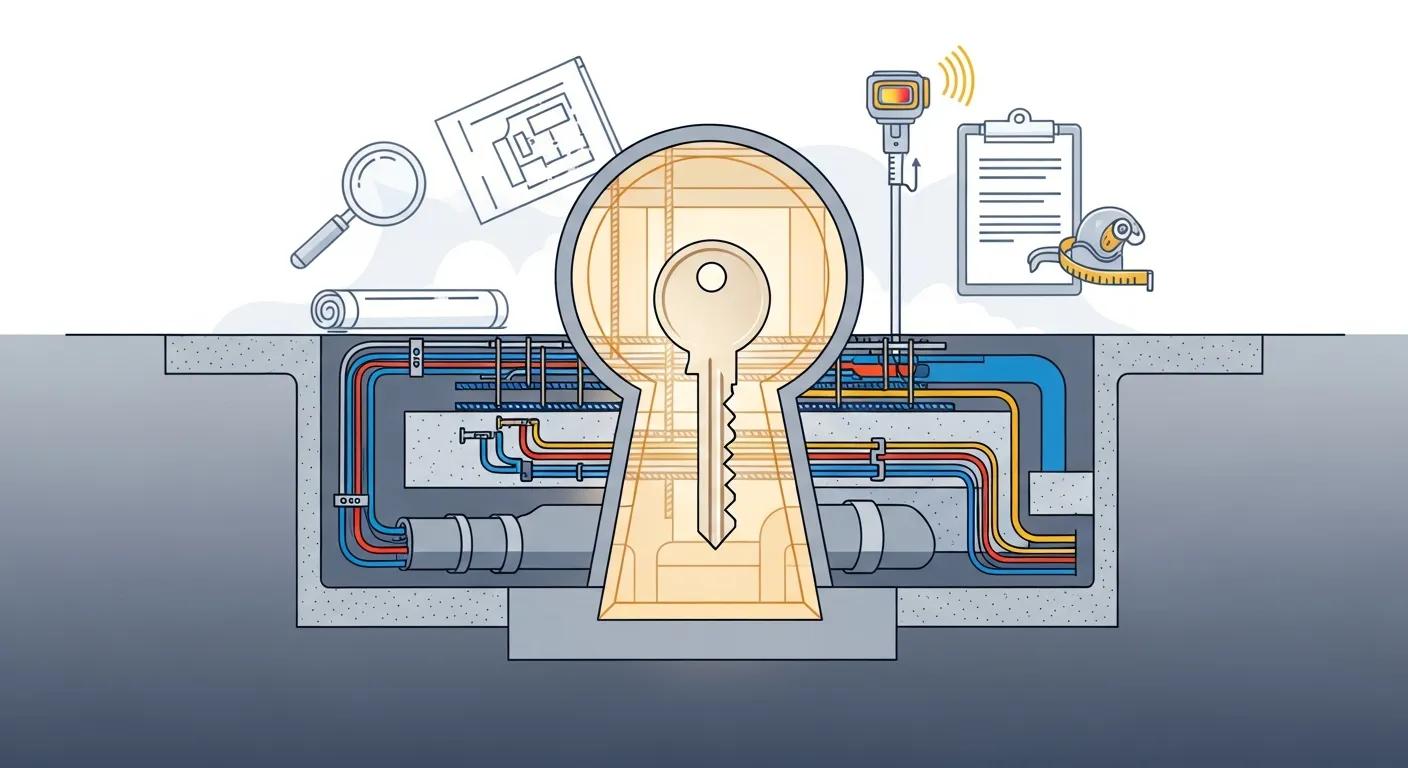
The RICS Level 3 Building Survey is a thorough diagnostic inspection that examines structural elements, concealed fabric and likely causes of defects, and it provides measured repair recommendations and cost guidance. It combines detailed visual inspection with targeted access to roof spaces and cellars where practical, and it explains probable causes and repair options rather than simply flagging condition. The value is clear: better budgeting, stronger negotiation and a prioritised repair plan — especially for older, altered or non‑standard properties, or for buyers planning major refurbishment. Because Level 3 surveys are investigative and interpretative, they give the depth needed where risk is higher, and the sections below describe typical report components and how they support decision‑making.
Stuart Hallworth (BSc (Hons) MRICS, RICS Registered Valuer) runs Hallworth Residential Survey, offering RICS Level 3 Building Surveys and RICS Level 2 Homebuyer Reports. Hallworth Residential Survey is RICS‑regulated and provides a one‑to‑one, personalised service. Buyers are welcome to book a no‑obligation consultation with Stuart to discuss which survey best suits their property and purchase situation.
What a RICS Level 3 Building Survey Covers
A Level 3 survey breaks down structural condition, identifies probable causes and sets out practical repair options with suggested urgency and likely cost ranges so buyers can plan and negotiate confidently. Typical content includes a detailed narrative on roofs, walls, foundations, damp, services and finishes; diagnostic comments on movement or decay; photographs and sketches where useful; and a prioritised list of immediate and medium‑term works. The report may recommend intrusive testing or specialist follow‑up and will usually give reasonable cost estimates or ranges to aid budgeting. Rather than simply flagging defects, a Level 3 turns observations into clear next steps for buyers and lenders.
When Should You Choose a Full Structural Survey?
Choose a Level 3 when the property is older, shows signs of movement, uses non‑traditional construction, or when you plan structural changes or major renovation and need confidence about load‑bearing elements and fabric condition. Typical triggers are visible cracking that could be structural, conversions without paperwork, unusual materials (for example aircrete blocks), or ongoing damp and timber decay. Lenders and insurers sometimes require more detail for unconventional risks, and buyers who expect to budget for repairs or negotiate on price benefit from the clarity a Level 3 provides. These decision criteria help align the survey with your risk tolerance and financial planning.
How a Full Structural Survey Differs from a Homebuyer Report
The main differences are inspection depth, investigative method and practical usefulness. A Level 2 focuses on visual condition and summary ratings; a Level 3 offers diagnostic analysis, practical repair options and cost guidance. A Level 2 will flag issues and recommend specialists where needed; a Level 3 will seek to explain causes, propose repair routes and provide material for negotiation or contractor quotations. That difference changes how buyers use the report: Level 2 supports a quicker decision with caveats, while Level 3 underpins detailed budgeting and negotiation. The table below sets out key contrasts in specific inspection areas.
Key Differences in Scope and Detail
Below is a comparison of inspection elements to show what each survey type typically covers and where limitations lie.
| Accessible element | Depth of inspection | Typical outcome |
|---|---|---|
| Roof coverings | Visual only (from ladder/ground) | Condition note; urgent repairs flagged |
| Roof space | Visual if accessible (no intrusive opening) | Brief observations; may advise specialist check |
| Foundations | Visual assessment of exposed evidence | Comments on settlement signs; no invasive investigation |
| Structural cracks | Noted and risk‑graded | Recommendation for specialist if structural concern |
| Repair recommendations | High‑level advice | Detailed options, priorities and cost ranges |
How Report Formats and Findings Differ
Level 2 reports use a standard traffic‑light summary that’s quick to scan for hazards and value‑impacting defects. Level 3 reports provide a structured narrative with cause‑and‑effect explanations, photos and cost estimates that lenders and contractors can use directly. For negotiation, a Level 2 may justify modest price adjustments or specialist quotes; a Level 3 often supports substantial renegotiation or a more measured purchase decision because it quantifies likely works. Knowing these format differences helps you pick the report that best converts inspection findings into practical next steps.
Costs and Value: What to Expect
Fees reflect scope, property size, access and complexity. Level 2 reports sit at the lower end because they are visual and non‑invasive. Level 3 surveys cost more because of the extra time, diagnostic skill and reporting detail required. The real value question isn’t just the upfront fee: a thorough Level 3 can reduce unexpected repair bills, strengthen bargaining position and produce a realistic maintenance plan that protects long‑term value. Weigh the inspection cost against potential avoided expenses and negotiation outcomes, especially for older or non‑standard properties. The table below gives typical fee ranges and how they relate to value.
| Typical fee driver | Typical range / example | Business relevance |
|---|---|---|
| Small modern home (Level 2) | £300–£600 | Quick overview for conventional properties |
| Medium/older house (Level 3) | £600–£1,200+ | Detailed diagnostic value for complex fabric |
| High complexity (large or non‑traditional) | £1,200–£2,000+ | Specialist time and follow‑up inspections may be needed |
How Fees Compare Between Survey Types
Typical fees vary with size, complexity and accessibility. Level 2 Homebuyer Reports are usually cheaper; Level 3 Building Surveys cost more because of the additional time and specialist judgement involved. Factors that raise the fee include difficult roof access, many rooms, basements or lofts, and the need for diagnostic follow‑up if concealed defects are suspected. Budget also for any specialist investigative reports or invasive testing a Level 3 may recommend. Understanding these drivers helps you judge when the higher fee is prudent due diligence rather than discretionary spending.
Can a Full Structural Survey Save You Money?
Yes — by exposing defects that affect price, revealing maintenance liabilities and allowing targeted budgeting or renegotiation before exchange. For example, discovering a defective chimney early can lead to a price reduction or a clear remedial estimate, avoiding a costly surprise after purchase. Even with a higher upfront fee, the diagnostic clarity and cost ranges in a Level 3 often lead to better purchase decisions and fewer unexpected bills. Think of the survey as an investment in certainty rather than an optional expense.
Why Local Expertise Matters
Local knowledge improves inspection accuracy because materials, construction techniques and common regional defects vary. A surveyor familiar with local building types can better identify likely causes of defects and give realistic repair cost estimates based on local trades and practices. They also know when specialist testing is genuinely needed, helping avoid unnecessary expense while ensuring important risks are investigated. The next section explains why a local, RICS-regulated surveyor is particularly useful in our area.
Why Choose Stuart Hallworth for Congleton and Nearby Towns?
Stuart Hallworth (BSc (Hons) MRICS, RICS Registered Valuer) runs Hallworth Residential Survey, a RICS‑regulated practice offering Level 3 Building Surveys, Level 2 Homebuyer Reports and valuations. Stuart provides a personal, one‑to‑one service across Congleton, Stoke‑on‑Trent, Macclesfield, Wilmslow and nearby towns, bringing local market and construction knowledge to every inspection. Clients have a single, experienced contact who explains findings plainly, outlines repair options and offers a no‑obligation consultation to confirm the right survey. That local, personal approach helps buyers interpret findings in the context of regional building practice and costs.
Which Local Factors Affect Survey Advice?
Local construction types, soil conditions and common age‑related defects influence what a surveyor inspects and recommends. For example, older stone cottages often need checks for rising damp and mortar decay, while terraced houses raise particular issues around party walls and roof continuity. Local microclimates that bring driving rain increase focus on pointing and flashings, and drainage or soil conditions can accentuate foundation concerns. Matching these factors to the inspection ensures the survey targets the most likely risks and delivers practical, locally relevant advice.
| Local factor | Why it matters | How Hallworth addresses it |
|---|---|---|
| Older stone construction | Prone to mortar erosion and penetrating damp | Careful inspection of masonry, pointing and ventilation |
| Terraced housing | Shared elements can hide defects | Focus on party walls, inter‑structure movement and roof continuity |
| Local soil/drainage | Impacts foundation performance and damp risk | Review external drainage and visible foundation distress |
| Regional climate exposure | Raises risk of weather‑related decay | Prioritise flashings, gutters and external waterproofing checks |
Common Buyer Questions About Choosing the Right Survey
Buyers often want clear, practical answers: how the two survey types differ in use, when a full structural survey is needed, and how to weigh cost against benefit. Short, direct guidance speeds decision making and reduces the chance of under‑inspection. Below are concise answers to the most frequent questions, followed by a simple checklist for when to commission a Level 3 survey.
What’s the Difference Between a Homebuyer Report and a Structural Survey?
A Level 2 Homebuyer Report is a standardised, visual condition assessment with traffic‑light ratings for easy comparison. A Level 3 Building (Structural) Survey delivers a narrative diagnosis, practical repair options and cost guidance. The main contrasts are:
- Scope and method: Level 2 is non‑invasive and visual; Level 3 includes investigative diagnostics where accessible.
- Practical output: Level 2 flags issues; Level 3 gives repair routes and cost context you can use in negotiations.
- Suitability: Level 2 fits conventional, modern properties; Level 3 is the right choice for older, altered or non‑standard buildings.
When Should I Choose a Full Structural Survey?
Use this checklist to decide whether to upgrade to Level 3:
- There is visible structural movement or significant cracking.
- The property is very old or built with non‑standard materials.
- You plan major renovations, extensions or load‑bearing changes.
- There is a history of damp, timber decay or past major works without documentation.
If one or more of these apply, the sensible next step is to commission a RICS Level 3 Building Survey or arrange a no‑obligation consultation with a RICS‑regulated surveyor to confirm the best approach.
- Decision checklist: Compare your property to the triggers above.
- Next step: Book a no‑obligation consultation to see if Level 3 is recommended.
- Action: If Level 3 is advised, arrange the survey to secure diagnostic findings before exchange.
Following these steps turns assessment into action and reduces the risk of costly surprises after purchase.
Frequently Asked Questions
What qualifications should I look for in a surveyor?
Choose a surveyor who is RICS‑regulated — that ensures they follow professional standards and an ethical code. Look for MRICS or FRICS after their name for clear evidence of experience and training. Also consider their focus on residential surveys and knowledge of local building types; local familiarity often produces more accurate assessments and practical recommendations tailored to your area.
How long does a full structural survey typically take?
Inspections commonly take between two and four hours, depending on the property’s size, complexity and condition. Older or larger properties may need more time to inspect roofs, foundations and hidden spaces like attics or cellars. After the visit, allow several days to a week for the surveyor to compile a full report — factor this into your purchase timetable.
Can I attend the survey, and should I ask questions during it?
Yes — you’re welcome to attend. Being present helps you see issues first‑hand and lets you ask questions as the surveyor inspects. That interaction often clarifies priorities and gives you practical maintenance and repair advice that may not be fully captured in the written report.
What should I do if the survey uncovers significant issues?
If the survey reveals serious defects, discuss options with your surveyor. You may negotiate a price reduction, ask the seller to carry out repairs before exchange, or, in some cases, walk away. Use the survey’s findings and cost estimates to support negotiations, and seek legal advice if necessary to understand contractual implications.
How can I prepare for a property survey?
To prepare, gather any relevant documents such as previous survey reports, plans or maintenance records, and ensure clear access to attics, basements and external areas. Make a short list of specific concerns to raise with the surveyor. These steps help the surveyor focus their inspection and produce a more useful report.
What happens after the survey is completed?
After inspection the surveyor will produce a detailed report with findings, recommended repairs and estimated costs. Expect delivery within a few days to a week. Review the report carefully and discuss any points with the surveyor. Depending on the findings you may negotiate with the seller, plan repairs or commission further specialist work.
Conclusion
Choosing the right survey matters — it helps you buy with confidence and avoid avoidable costs. A full structural survey gives in‑depth insight into likely problems and repair options, supporting better negotiation and long‑term budgeting. By understanding the differences between survey types you can pick the best option for your purchase. Contact us for a no‑obligation consultation to discuss which survey suits your property and situation.

