Essential Insights on Residential Structural Survey Services
Understanding residential structural surveys
A residential structural survey is a thorough inspection of a property's load-bearing fabric. It identifies defects, assesses stability and recommends remedial action so you can make confident decisions about buying, renovating or managing a home. This guide explains what a structural survey checks, how common defects are spotted, when to commission one and how it differs from other survey types. You’ll learn which structural elements are reviewed, typical signs of movement or deterioration, the role of a chartered surveyor and practical next steps from booking to receiving your report. Where relevant we use current industry terms and link guidance to common UK situations — such as pre-purchase checks and renovation planning — so you get clear, professionally framed advice you can act on.
What does a residential structural survey include? Key components explained
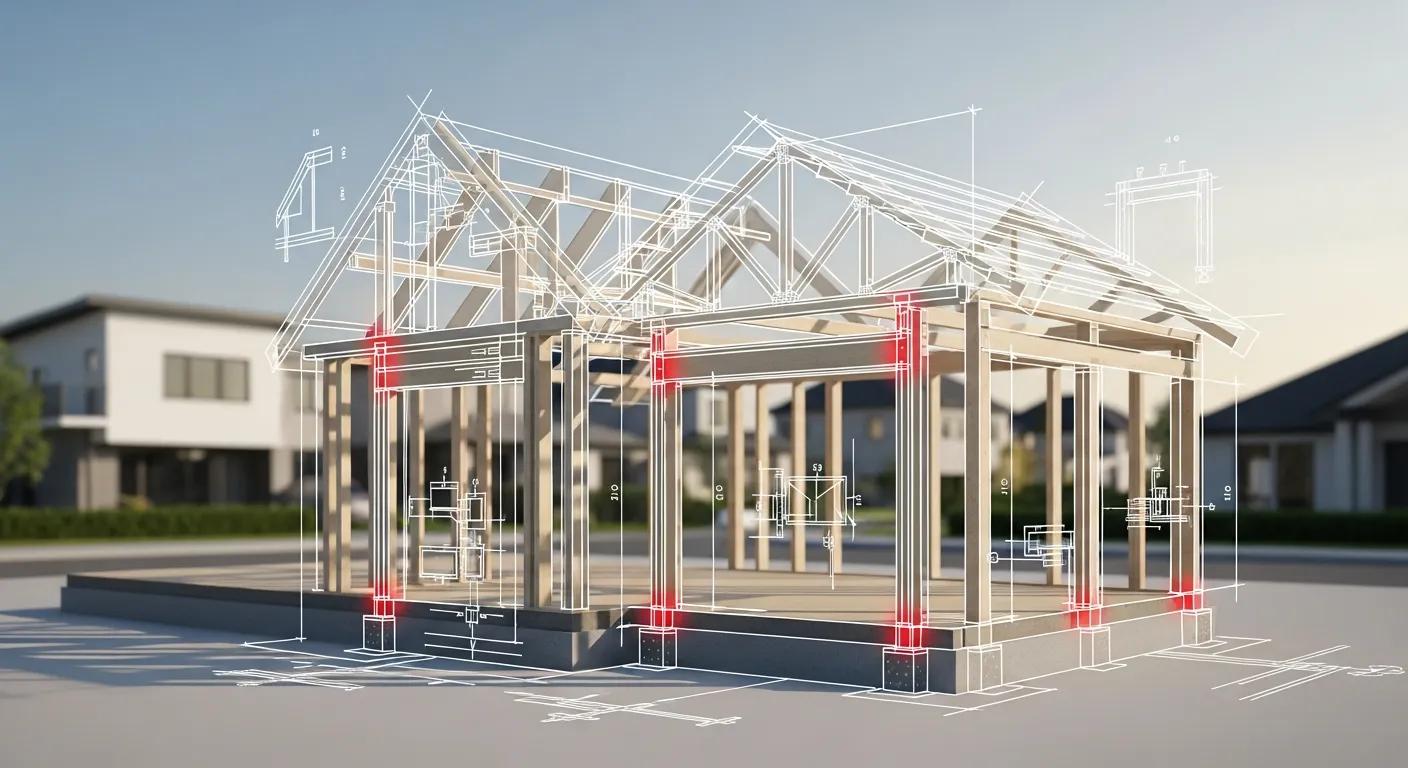
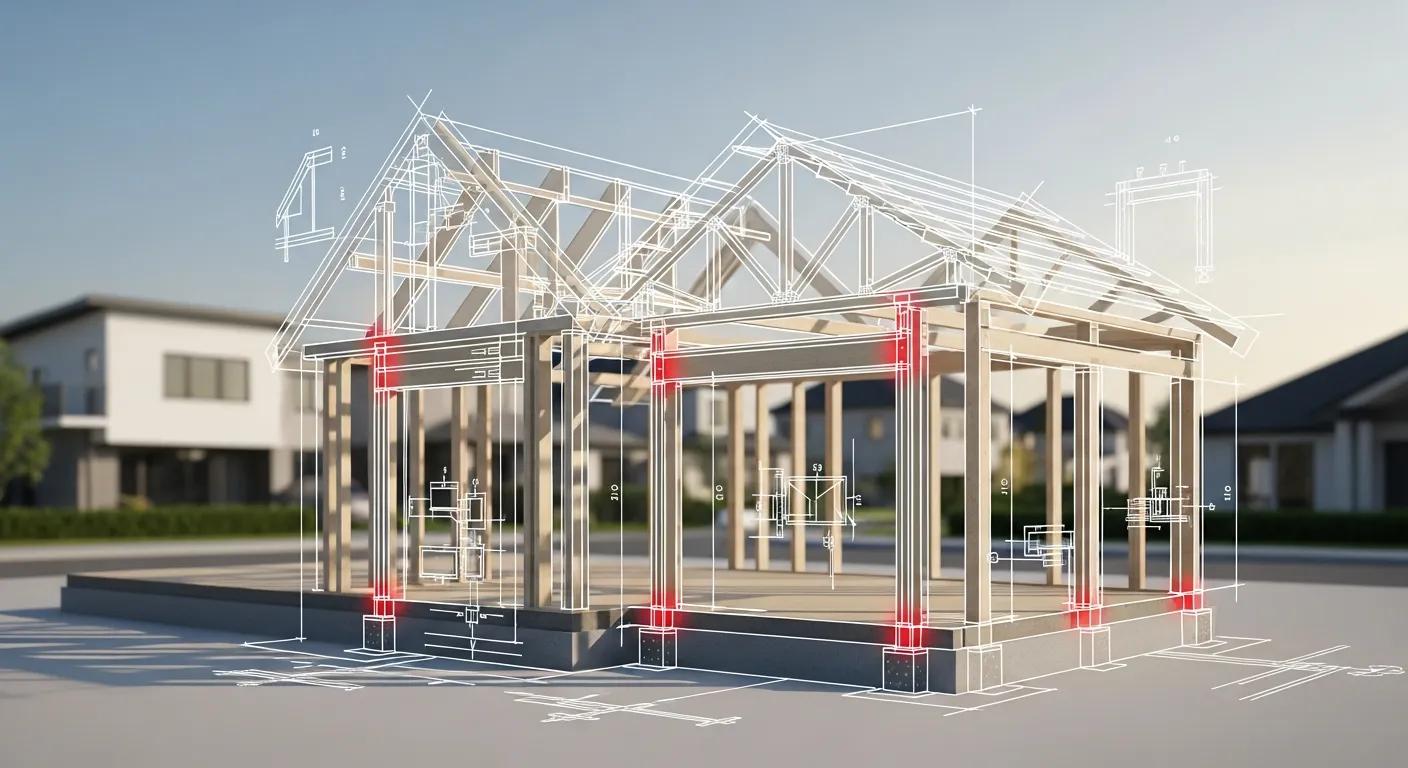
A residential structural survey concentrates on the house’s principal load-bearing and protective elements to spot defects, assess condition and recommend practical action. The surveyor carries out a visual inspection, uses targeted diagnostic techniques where needed and records observations with measurements and photos. Typical areas inspected include foundations, walls, roofs, chimneys, floors, drainage and timber elements, plus basements where present. The written report summarises condition, prioritises repairs and flags when specialist input is needed, helping owners or buyers estimate repair budgets and negotiate with sellers or contractors. The survey will also explain its limitations — for example, intrusive opening-up is not usually done without consent and hidden defects cannot be guaranteed to be found — but it will point out indicators that justify further investigation.
Core components covered in most residential structural surveys include:
- Foundations: how loads are carried and signs of movement or subsidence.
- Roof and chimneys: structure, coverings and evidence of sagging or decay.
- Walls and floors: cracking patterns, damp penetration and timber problems.
- Drainage and external works: surface water, gutters, downpipes and soakaways.
Survey methods mix careful visual appraisal with straightforward tools and photographic records; where signs suggest deeper problems the surveyor will recommend specialist testing or structural engineer input. The table below summarises inspected elements, common defects and likely next steps so you can compare findings at a glance.
Quick overview of inspected elements and typical outcomes for ease of reference.
| Structural Element | Condition Assessed | Typical Defects & Recommended Action |
|---|---|---|
| Foundations | Stability, signs of movement | Subsidence or settlement — monitor, measure and refer to a structural engineer where needed |
| Roof & Chimneys | Structural soundness and roof covering condition | Defective coverings, rot — repair waterproofing and replace timbers if unsafe |
| Walls & Floors | Cracking patterns and moisture ingress | Vertical or stepped cracks, damp — diagnose cause and consider underpinning or damp treatment |
| Drainage & External Works | Function and fall | Blocked or failed drains — camera survey, repair or replace pipework |
| Timber Elements | Decay, infestation and structural integrity | Rot or wood‑borer activity — treat, replace affected timbers and improve ventilation |
This table helps you compare elements quickly and understand likely remedial routes before you commission work.
For local inspections and practical booking, Hallworth Residential Survey carries out checks on foundations, roofs, drainage, damp and timber — contact us to arrange an inspection.
Which structural elements are inspected in a residential survey?
Foundations — the lowest load‑bearing parts — are checked for movement, cracking and signs of differential settlement; surveyors note visible footing types and how nearby trees or site drainage might be affecting the ground. Typical warning signs include stepped cracks in brickwork, sudden changes in floor levels and doors or windows that stick, all of which can point to movement that needs monitoring or engineer assessment. Roofs and chimneys are examined for sagging, damaged coverings and corroded flashings; these often reveal water ingress that accelerates decay in timbers and masonry. Walls, floors and basements are reviewed for damp, salt contamination, timber decay and load‑transfer issues, and the surveyor will record defects that may need targeted testing or contractor quotes.
How are common property defects identified during the survey?
Defects are identified mainly through a systematic visual appraisal supported by simple diagnostic tools and measured observations that indicate severity and likely cause. Common tools include moisture meters to quantify damp, spirit levels or laser measures for differential settlement and binoculars for high roofs and chimneys; photographs document key findings and support recommendations. Crack patterns are interpreted to distinguish seasonal or cosmetic movement from progressive structural failure, and staining or mould patterns help separate rising or penetrating damp from condensation. If indicators suggest a complex problem — for example suspected subsidence, concealed rot or compromised structural members — the surveyor will recommend intrusive investigation or refer you to a structural engineer or specialist contractor.
When is a residential structural survey needed? Essential scenarios and timing
Commission a residential structural survey before you complete a purchase, before carrying out major renovations, or whenever visible signs suggest structural risk. Timing affects what the survey can achieve and how you use the report. Older, period or heavily altered properties often justify a full structural assessment to uncover concealed defects and set realistic budgets; newer homes with visible problems or planned extensions may need targeted structural advice. In a transaction, an early, pre‑offer survey gives visibility; a pre‑exchange or post‑offer inspection provides stronger negotiating leverage when issues are identified and priced. Choosing the right time ensures the report is a practical tool for negotiation, lender assurance and planning remedial works.
Key scenarios when a structural survey is advisable: home
- Buying an older or period property that may hide defects.
- Planning major renovations, extensions or loft conversions.
- Seeing visible alarm signs such as progressive cracks, sloping floors or persistent damp.
Deciding when to commission the survey depends on your risk tolerance and negotiation strategy; acting earlier in the purchase process can avoid unwelcome surprises and strengthen your bargaining position.
Why should you get a structural survey before buying or renovating a property?
A pre‑purchase or pre‑renovation structural survey reduces uncertainty by uncovering hidden defects, estimating repair costs and clarifying safety issues before you commit. With a professional report you can renegotiate price, ask for remedial work prior to completion or budget realistically for future work — avoiding costly surprises after you move in.
For renovation projects, a structural survey identifies constraints and informs design decisions, helping architects and builders plan appropriate interventions and schedule specialist input. This proactive approach protects value, keeps occupants safe and ensures project financing and timescales reflect the property’s true condition.
What signs indicate the need for a structural survey?
Warning signs that should prompt a survey include stepped or widening cracks in brickwork, doors and windows that bind, clearly sloping or uneven floors and a history of leaks or persistent damp patches. External signs such as leaning chimneys, bulging walls or failed retaining structures also indicate potential structural compromise that merits professional assessment. Recurrent movement after excavation, tree removal or changes to site drainage are further reasons to commission a survey to identify root causes and suitable remediation. Early detection lets you target investigations, limit escalation and manage repair costs.
Structural survey vs building survey: what are the differences?
A structural survey focuses on the integrity and stability of a property’s load‑bearing fabric, while a building survey is broader and covers the whole property, including non‑structural matters and maintenance items. Structural surveys target movement, foundation problems, timber decay and other stability risks; building surveys provide wider commentary on condition, maintenance needs and the remaining life of components. In general, a structural check is more targeted and may be quicker, whereas a full building survey is more comprehensive and often chosen for very old or complex properties. Pick the survey that matches your objective — a focused structural risk assessment or a comprehensive condition review — and be prepared to follow up with specialist reports if needed.
| Survey Type | Scope | When to Choose / Typical impact |
|---|---|---|
| Structural Survey | Focused on load‑bearing elements and stability | Choose for suspected movement, subsidence or when planning structural works |
| Building Survey | Broad, detailed condition report for the whole property | Choose for very old, unusual or extensively altered buildings |
| Homebuyer Report | Standardised, quicker survey for mainstream properties | Choose for modern, conventional homes with no visible issues |
This comparison shows the trade‑off between focus and comprehensiveness and helps you choose based on property age, condition and transaction needs.
If you’re unsure which is right, a short discussion with a chartered surveyor will align scope with your risk profile.
How do structural and building surveys differ in scope and detail?
Structural surveys concentrate on the property’s skeleton — foundations, primary walls, beams and load paths — with detailed attention to instability and likely causes. Building surveys extend into non‑structural elements such as finishes, services and lifecycle issues. A structural report prioritises defects and will recommend engineer involvement where necessary; a building survey also advises on maintenance, expected life of components and cosmetic concerns. Intrusive investigation is uncommon without consent in either survey type, though a building survey may suggest specific exploratory tests to support a comprehensive maintenance plan. Knowing these scope differences helps you commission the right level of analysis for your decisions.
Which survey is best suited for your residential property needs?
Ask these questions: is the property older or visibly altered, are you planning major works, and do you need a budgeted repair schedule or a quick transactional assurance? Use this checklist: if you spot structural movement or plan structural change, choose a structural survey; if the property is very old, complex or you want detailed condition advice, choose a building survey; if it’s a newer property in apparent good order a homebuyer‑style report may be sufficient.
If in doubt, speak to a chartered surveyor — a short pre‑survey conversation often makes clear whether a targeted structural assessment or a comprehensive building survey best meets your needs.
What are the benefits of a residential structural survey? Value and peace of mind
A residential structural survey delivers practical financial and safety benefits by quantifying defects, estimating remedial needs and reducing the chance of unexpected costs after purchase or during renovation. The report supports informed negotiation and can save buyers money by clarifying repair priorities and timescales; it also provides documented evidence useful to mortgage lenders or insurers. Beyond the financial picture, the survey reduces safety risk by flagging urgent structural problems and recommending immediate action, protecting occupants and legal compliance. That combination of budgetary clarity and reassurance makes a structural survey a prudent investment when important decisions or works are planned.
Key benefits in brief:
- Clear understanding of safety‑critical issues and repair urgency.
- Support for financial planning through cost estimates and prioritisation.
- Negotiation leverage when issues are identified before purchase.
Each benefit leads to practical next steps: a clear report feeds repair quotations, guides structural engineers where needed and supports negotiation or project planning.
How does a structural survey help in informed property decisions?
A structural survey turns visible symptoms into actionable recommendations and costed options, allowing buyers and owners to weigh the true cost of ownership against asking price or renovation ambitions. By clarifying urgency and likely interventions, the report helps prioritise works and decide whether to proceed with purchase, renegotiate terms or request remedial action before completion. In practice, early detection of subsidence or major roof repairs often changes the economics of a deal and can save thousands compared with discovering problems after completion. A professional structural assessment therefore underpins sensible financial and safety decisions in property transactions.
What peace of mind does a structural survey provide to homebuyers?
Beyond budgets and repairs, a structural survey gives documented, expert‑backed assurance about a property’s condition and the steps needed to make it safe and serviceable. Knowing the state of primary load‑bearing elements reduces much of the stress of buying an older or altered home and provides a clear maintenance plan that protects long‑term value. The report also creates an audit trail you can share with lenders, insurers and contractors, supporting future resale or warranty claims. For many buyers, that documented clarity is the most valuable outcome.
Who conducts residential structural surveys? Expertise and local knowledge
Residential structural surveys are normally carried out by chartered surveyors or experienced property inspectors with recognised professional credentials; their expertise ensures observations are correctly interpreted and recommendations are professionally presented. Look for chartered status or membership of a recognised professional body as evidence of standards, continuing professional development and appropriate insurance. Local knowledge matters too: soil types, common construction methods and local vegetation can affect defect causes and remedies. Expect a clear on‑site inspection, photographic evidence, a written report with prioritised recommendations and, where necessary, referral to structural engineers or specialists.
This paragraph introduces local expertise and the named professional available in the area. Stuart Hallworth is a chartered surveyor with Hallworth Residential Survey, offering residential structural surveys and property valuations across Congleton, Stoke‑on‑Trent, Macclesfield and Wilmslow. Stuart provides a no‑obligation consultation to discuss your needs. Choosing a local surveyor like Stuart means local factors inform the inspection and recommendations, and the consultation lets you confirm scope and expectations before you commit.
What qualifications should a chartered surveyor have?
A chartered surveyor should hold recognised professional qualifications and belong to an appropriate professional body, which demonstrates adherence to standards, ongoing training and professional indemnity arrangements. Chartered status shows the surveyor has passed required exams, follows a code of conduct and is subject to disciplinary procedures — all important for quality and accountability. When commissioning a survey, ask which reporting standards the surveyor follows and whether they will recommend specialist input for suspected subsidence, timber decay or hidden defects. These credentials give you a report you can rely on for negotiation or project planning.
Why choose local experts like Stuart Hallworth in Congleton and surrounding areas?
Local surveyors bring practical familiarity with regional construction types, soil behaviour and common defect patterns, which helps them interpret findings in context and recommend appropriate, cost‑effective remedies. Hallworth Residential Survey operates across Congleton, Stoke‑on‑Trent, Macclesfield and Wilmslow, so inspections take known local issues — such as drainage tendencies, nearby tree influences and historic building practices — into account. Choosing local expertise shortens response times, simplifies follow‑up and often speeds referrals to trusted local specialists when further investigation or repair is required. A local, chartered surveyor familiar with your area increases the practical value of the survey report.
How much does a residential structural survey cost and what is the process?
Price and process depend on property size, complexity and the level of investigation required. Typical cost drivers are floor area, age, access difficulty, roof complexity and any need for specialist testing or structural engineer input. The end‑to‑end process is straightforward: enquiry and scope confirmation, scheduling the inspection, on‑site appraisal with photography, report drafting and delivery, then any follow‑up advice or referrals. Inspections are usually completed in one visit and reports are delivered within a few days to two weeks depending on complexity and workload. Clear communication up front about scope and potential extra fees for specialist tests helps avoid surprises.
The typical process and what to expect at each stage:
- Initial enquiry and scope agreement: confirm the property, objectives and survey depth.
- Scheduling and access arrangements: agree an inspection date and access (keys or occupier presence).
- On‑site inspection: visual assessment, measurements and photographic record.
- Report delivery and follow‑up: written findings, recommended actions and referrals if needed.
This structured approach ensures transparency and lets you plan timing, costs and any specialist involvement before you commission a survey.
The table below summarises common cost factors and how they affect price so you can budget realistically.
| Cost Factor | Influence on Price | Typical Impact |
|---|---|---|
| Property Size & Complexity | Directly increases inspection time | Larger or unusual layouts raise the fee proportionally |
| Age & Construction Type | Requires more detective work | Older or period buildings need more investigation time |
| Accessibility | Affects inspection logistics | Poor access or high roofs increase cost |
| Need for Specialist Tests | Adds external fees | Camera surveys and engineer reports increase the total price |
Knowing these drivers helps you compare quotes and ask for a clear scope that matches your needs and budget.
What factors influence the cost of a structural survey?
Property size and layout are the main determinants of inspection time and report length — larger footprints and multiple outbuildings need more coverage and therefore higher fees. The property’s age and construction affect how much detective work is needed: older or heavily altered buildings usually require extra time and may need specialist testing. Accessibility issues, such as high roofs or confined spaces, extend inspection time and might require safety equipment or subcontractors. Finally, if intrusive investigation, drainage camera surveys, moisture testing or structural engineer reports are recommended, these add to the overall cost and should be discussed up front.
What are the steps involved in booking and completing a structural survey?
Booking and completion follow a predictable sequence to manage scope, access and timely delivery of findings. First you make an enquiry and agree the scope — this clarifies whether you need a targeted structural survey or a broader building survey. The inspection is then scheduled and usually completed in a single visit, with the surveyor recording observations, measurements and photographs; the report is drafted and returned within the agreed timescale, often with electronic delivery and a follow‑up conversation. If the report recommends urgent work or specialist input, the surveyor will advise next steps and may refer you to structural engineers or contractors.
To arrange a no‑obligation consultation and book a survey, contact Hallworth Residential Survey. We provide structural surveys and property valuations across Congleton, Stoke‑on‑Trent, Macclesfield and Wilmslow and will tailor scope and timing to your property.
Frequently asked questions
What is the difference between a structural survey and a homebuyer report?
A structural survey zeroes in on the integrity and stability of a property’s load‑bearing elements, making it the right choice for older or altered homes where structural issues are suspected. A homebuyer report is broader and more standardised, covering general condition and non‑structural items; it’s usually quicker and less detailed and suits modern homes with no obvious defects. Knowing the difference helps you pick the survey that matches your concerns and objectives.
How long does a residential structural survey typically take?
Inspection time varies with property size and complexity. The on‑site visit typically lasts from a couple of hours up to a full day. The report is usually drafted and delivered within a few days to two weeks, depending on workload and the level of analysis required. Confirming timelines with your surveyor at the outset helps manage expectations and ensures timely delivery.
Can I attend the structural survey, and should I ask questions during the process?
Yes — you’re welcome to attend. Being present lets you ask questions and gain immediate clarity on the surveyor’s observations. That conversation can help you understand the issues identified and the likely next steps, and it makes it easier to discuss any remedial options or follow‑up investigations.
What should I do if the survey reveals significant structural issues?
If the survey uncovers serious problems, read the report carefully to understand the implications and recommended actions. You may need a structural engineer for a detailed assessment and repair specification. Depending on the findings, you can use the report to renegotiate price, request repairs before completion, or reconsider the purchase. Acting promptly will help limit further risk and cost.
Are there any limitations to what a structural survey can identify?
Yes. A structural survey is thorough but not intrusive by default — it won’t usually include opening‑up work unless agreed. Hidden defects beneath finishes or inside concealed cavities may not be detected. The surveyor will highlight indicators that justify further investigation, but no survey can guarantee the detection of every possible issue. Understanding these limits helps set realistic expectations for what the survey can deliver.
How often should I get a structural survey for my property?
Frequency depends on the property’s age, any visible signs of movement or damage, and planned works. For older properties or those with a history of structural problems, a survey every few years may be prudent. If you notice new cracks, damp or movement, commission a survey sooner. Regular checks help catch problems early and protect the property’s integrity.
Conclusion
Having a residential structural survey gives you clear insight into a property’s condition, helping you identify defects, assess safety risks and plan sensible budgets. That proactive approach supports better negotiation, smoother renovation planning and fewer unexpected costs down the line. If you’d like a no‑obligation chat about a survey, contact Hallworth Residential Survey today to arrange a comprehensive inspection and get practical, local advice for your property investment.

